March 2, 2026
Every year, gigatons of biomass from agricultural and forestry residues are discarded worldwide. This waste is rich in lignin – an energy-dense but difficult-to-process molecule that gives plants their structure.
To transform this waste into a strategic advantage, DARPA has launched the Fleetwood program to develop novel catalysts and advanced manufacturing processes to convert lignin into value-added chemicals and materials, strengthening U.S. economic and national security.
"We are aiming for atomic-level precision to turn what is now largely a waste product into a stateside-derived, on-demand resource," said William Mounfield, Ph.D., Fleetwood program manager. "Success will mean we can support future warfighting concepts with advanced materials produced efficiently and effectively, wherever our forces are deployed."
Today, the supply chains for essential materials like plastics, adhesives, and composites rely on complex, petroleum-based products that are vulnerable to disruption. While biomass has long been considered a potential alternative, economic viability has been elusive. The primary obstacle is lignin, which constitutes a large amount of the carbon in biomass but is so difficult to process it is often burned for low-value heat or simply thrown away.
The Fleetwood program seeks to overcome this challenge by focusing on two key technical areas:
- Developing new catalytic methods to efficiently access and break down lignin from raw biomass.
- Creating robust and novel catalysts to convert the processed lignin into specific, high-value products.
The program will build on recent scientific breakthroughs like reductive catalytic fractionation, a promising technique that can selectively depolymerize lignin into stable, useful chemical building blocks.
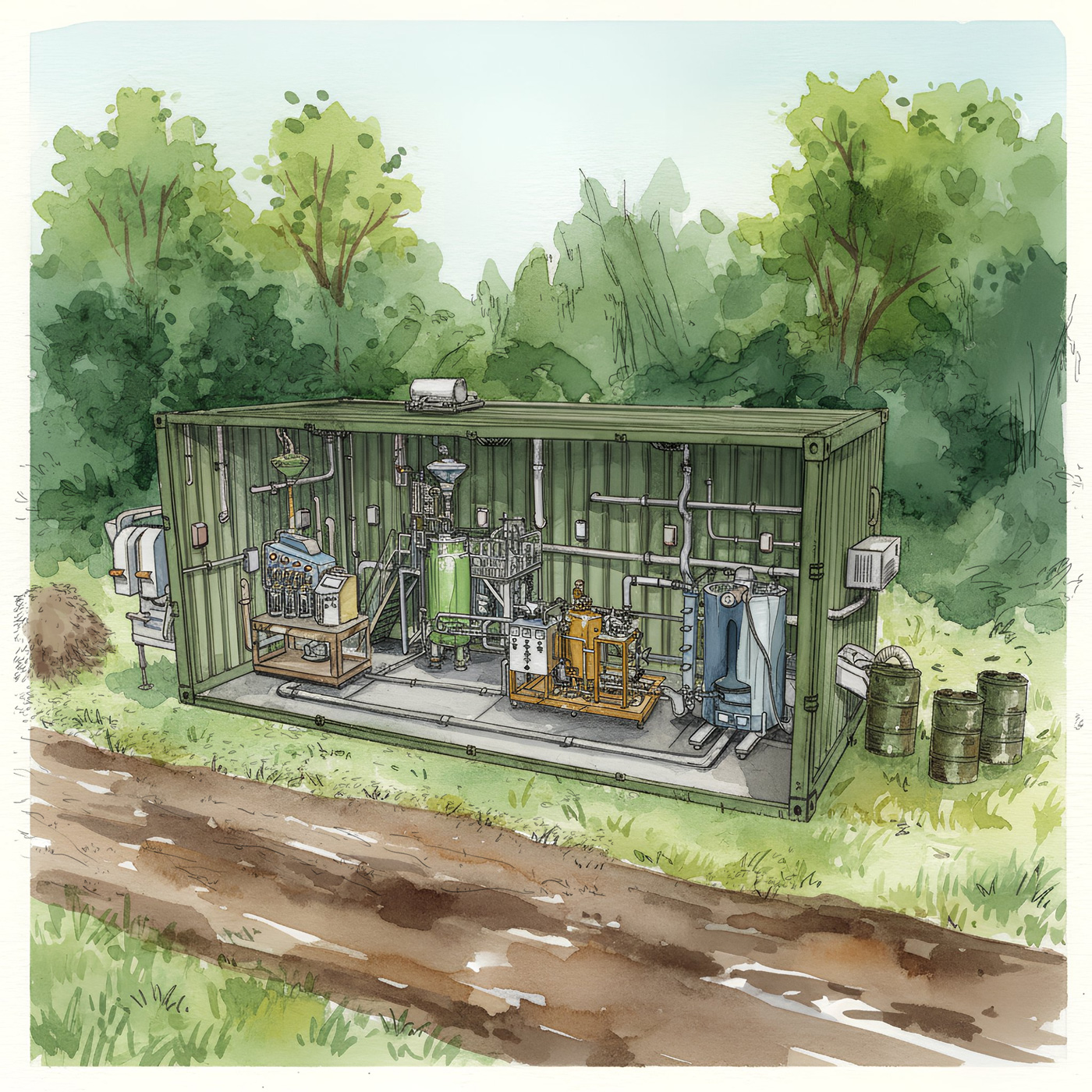
"By making the carbon in lignin accessible, we can dramatically boost the overall carbon conversion efficiency of biomass," Mounfield explained. "This not only unlocks a massive, untapped domestic resource but also enables the creation of smaller, modular biorefineries that can bolster manufacturing and reduce our dependence on foreign oil."
A primary technical challenge is ensuring catalyst stability when processing real-world biomass, which contains impurities that can degrade performance. The Fleetwood program is designed to directly address this risk by developing robust catalysts capable of handling a wide variety of feedstocks.
A successful Fleetwood program will transform the bioeconomy, allowing the U.S. to produce value-added chemicals from widely available domestic waste. This will reduce foreign dependence, strengthen supply chain resilience, and support contested logistics, one of six warfighting critical technology areas the Department of War is focused on. The initiative has already drawn significant interest from partners across the Department, including the U.S. Army, Navy, Air Force, Marine Corps, and the Defense Threat Reduction Agency.
###
Media with inquiries should contact DARPA Public Affairs.
Event
Industry Day: Fleetwood
March 12, 2026
Arlington, Va.
Responses deadline: March 6, 2026
Opportunities
DARPA-SN-26-49
- Published: Feb. 27, 2026
- Deadline: March 6, 2026
DARPA-SN-26-45
- Published: Feb. 13, 2026
- Deadline: March 13, 2026