May 20, 2026
DARPA and its partners approach the most significant milestone of the Robotic Servicing of Geosynchronous Satellites (RSGS) program — launch — slated for summer 2026.
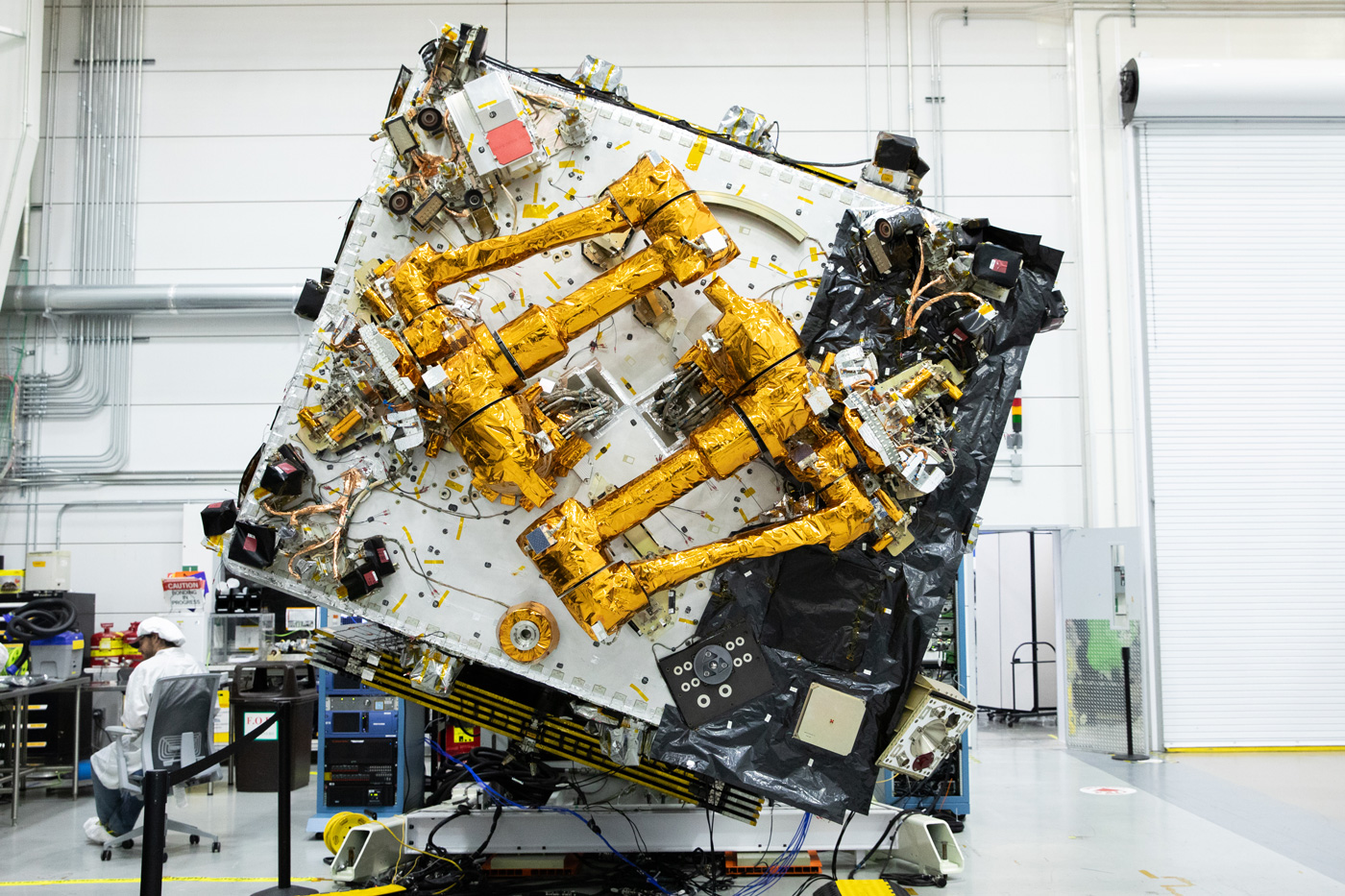
Addressing the unique challenges of geosynchronous orbit (GEO), where hundreds of satellites currently operate, the Mission Robotic Vehicle (MRV) is equipped with a highly dexterous robotic servicing suite designed to perform complex tasks such as on-orbit upgrades, inspections, anomaly resolution, and satellite relocation.
DARPA is leading the development of the robotic front-end in collaboration with the Naval Research Laboratory and National Aeronautics and Space Administration (NASA). SpaceLogistics, a Northrop Grumman company, is leading integration.
During a recent presentation on the program's progress and upcoming launch, RSGS Program Manager James Shoemaker highlighted the strategic approach of marrying DARPA's robotic technology with existing commercial platforms.
"The RSGS program is a government-private partnership for the next wave of satellite servicing," said Shoemaker. "This upcoming demonstration is about proving the commercial viability of on-orbit servicing in GEO, creating a capability that will be available for both commercial industry and the U.S. government.”
By transitioning from a paradigm of disposable space assets to one of sustainable, upgradable, and resilient satellites, RSGS aims to fundamentally alter space operations for both the public and private sectors.
With launch on the horizon, the RSGS program is poised to pave the way for a more resilient and sustainable infrastructure in space.
###
Media with inquiries about RSGS should contact DARPA Public Affairs.