Hundreds of military, government, and commercial satellites reside today in geosynchronous Earth orbit (GEO) approximately 22,000 miles (36,000 kilometers) above the Earth. This position is ideal for providing communications, meteorology and national security services. Yet the distance prevents inspection and diagnosis of malfunctioning components, let alone upgrades or repairs.
Even fully functional satellites often have their operational lives cut short simply because they carry obsolete payloads — a frustrating situation for owners of assets worth hundreds of millions of dollars. With no support once in orbit, GEO satellites are equipped with redundant systems and maximum fuel capacity, which increases their complexity, weight, and expense.
Imagine a solution that could transform GEO satellite operations from unreachable to reliably serviced, unlocking years of additional value for each mission.
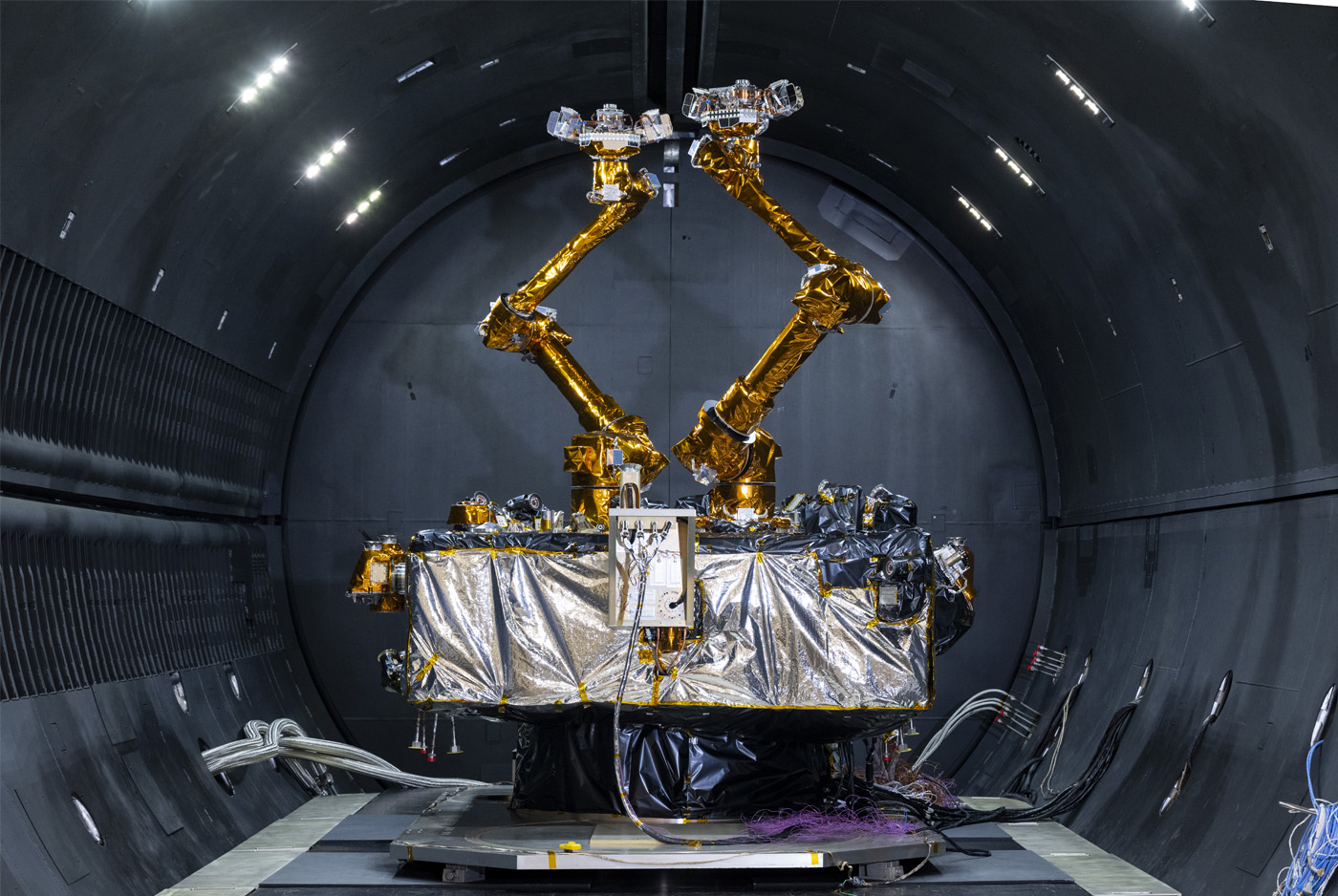
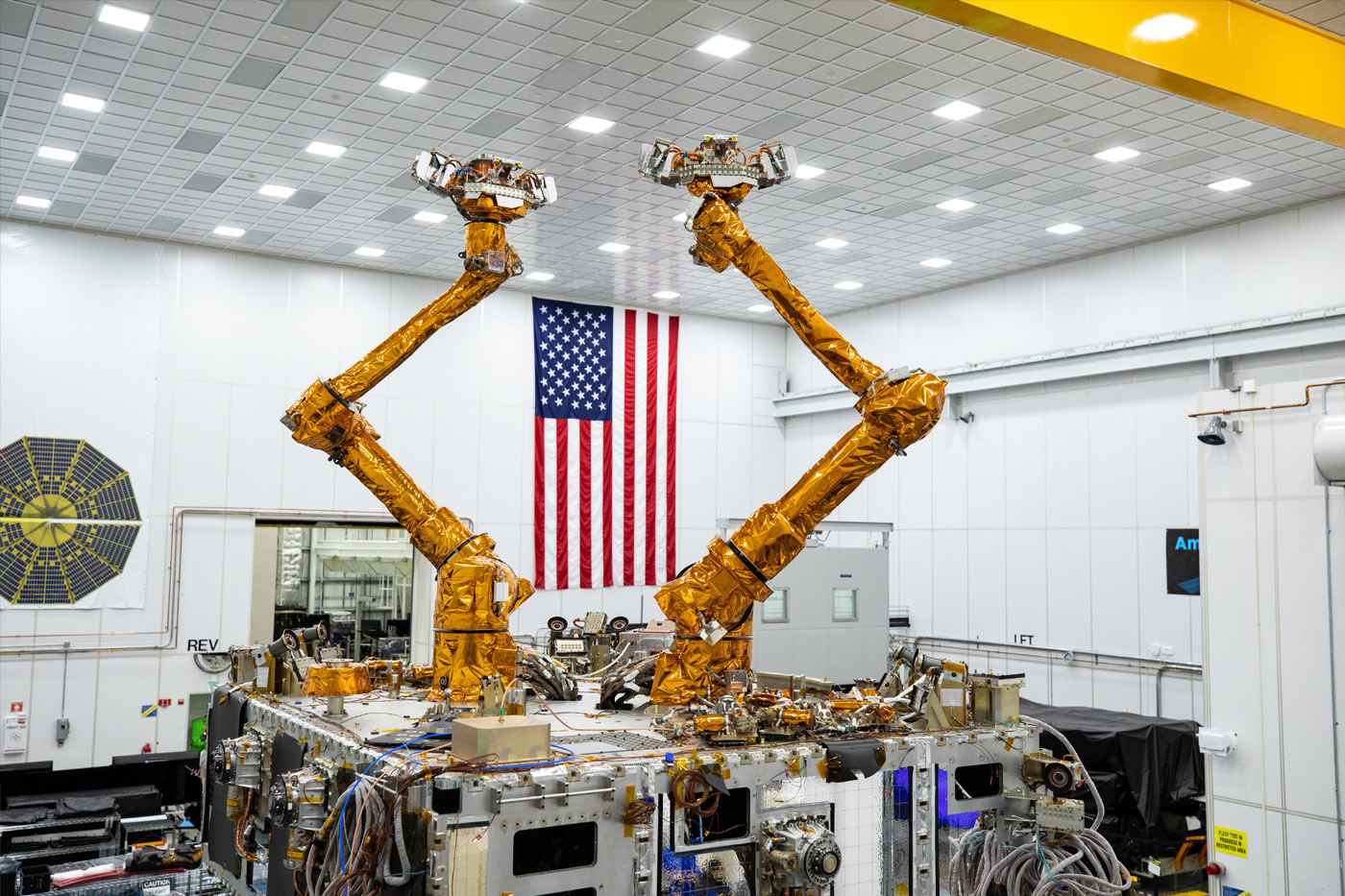
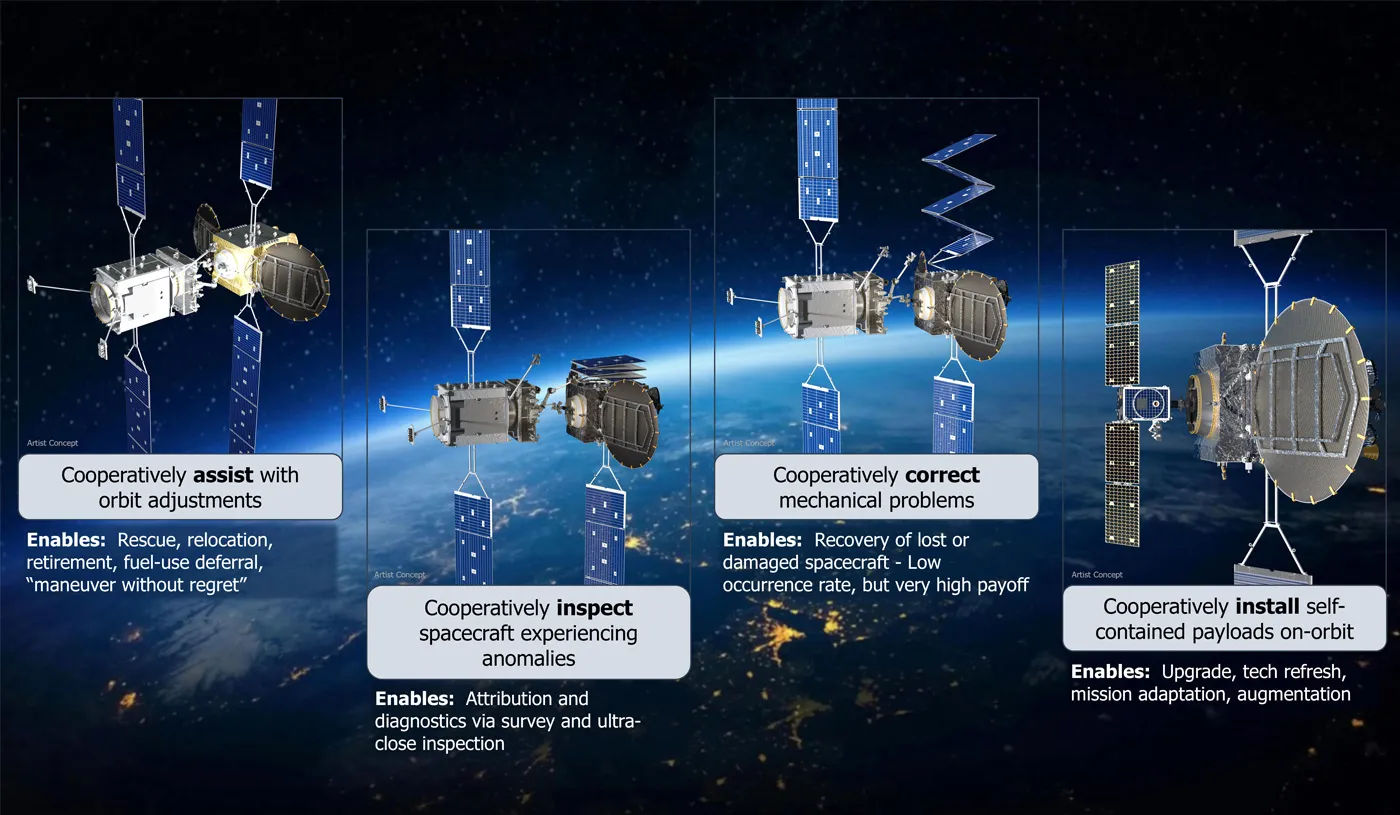
DARPA’s Robotic Servicing of Geosynchronous Satellites (RSGS) program is developing and demonstrating technologies that enable cooperative inspection and servicing in GEO and demonstrating those in orbit.
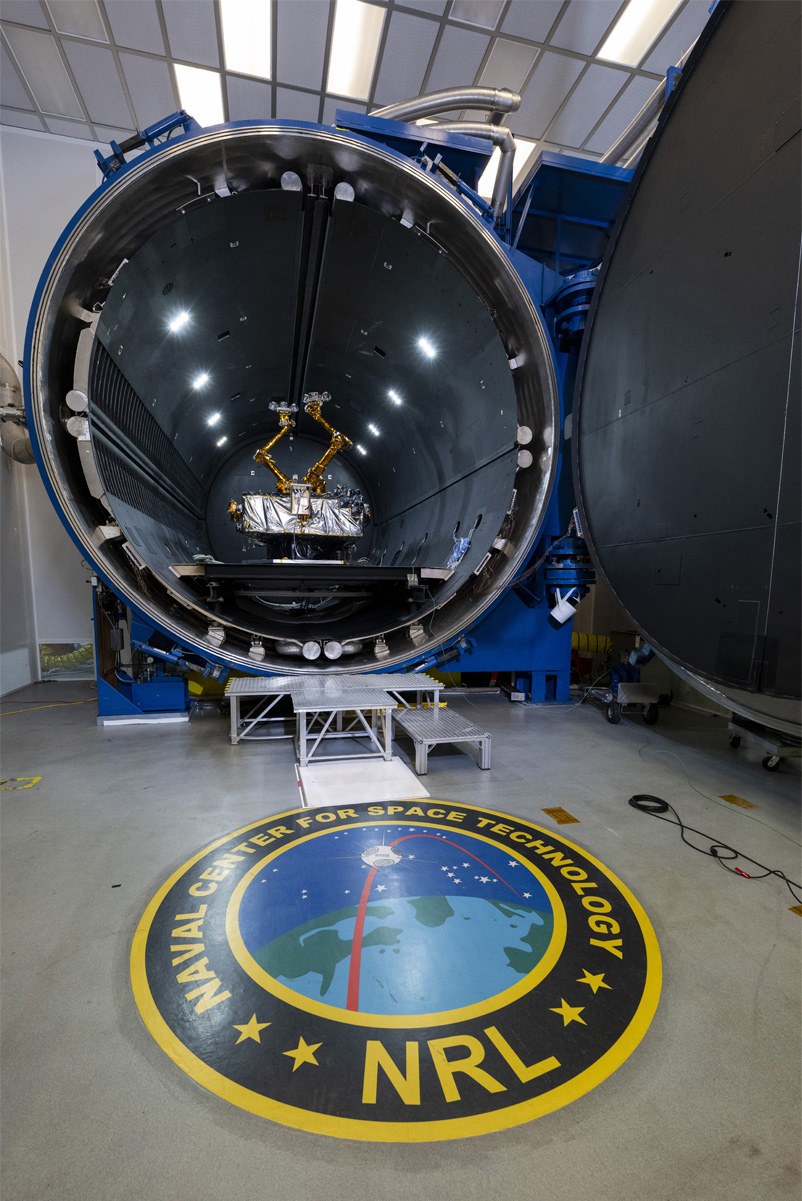
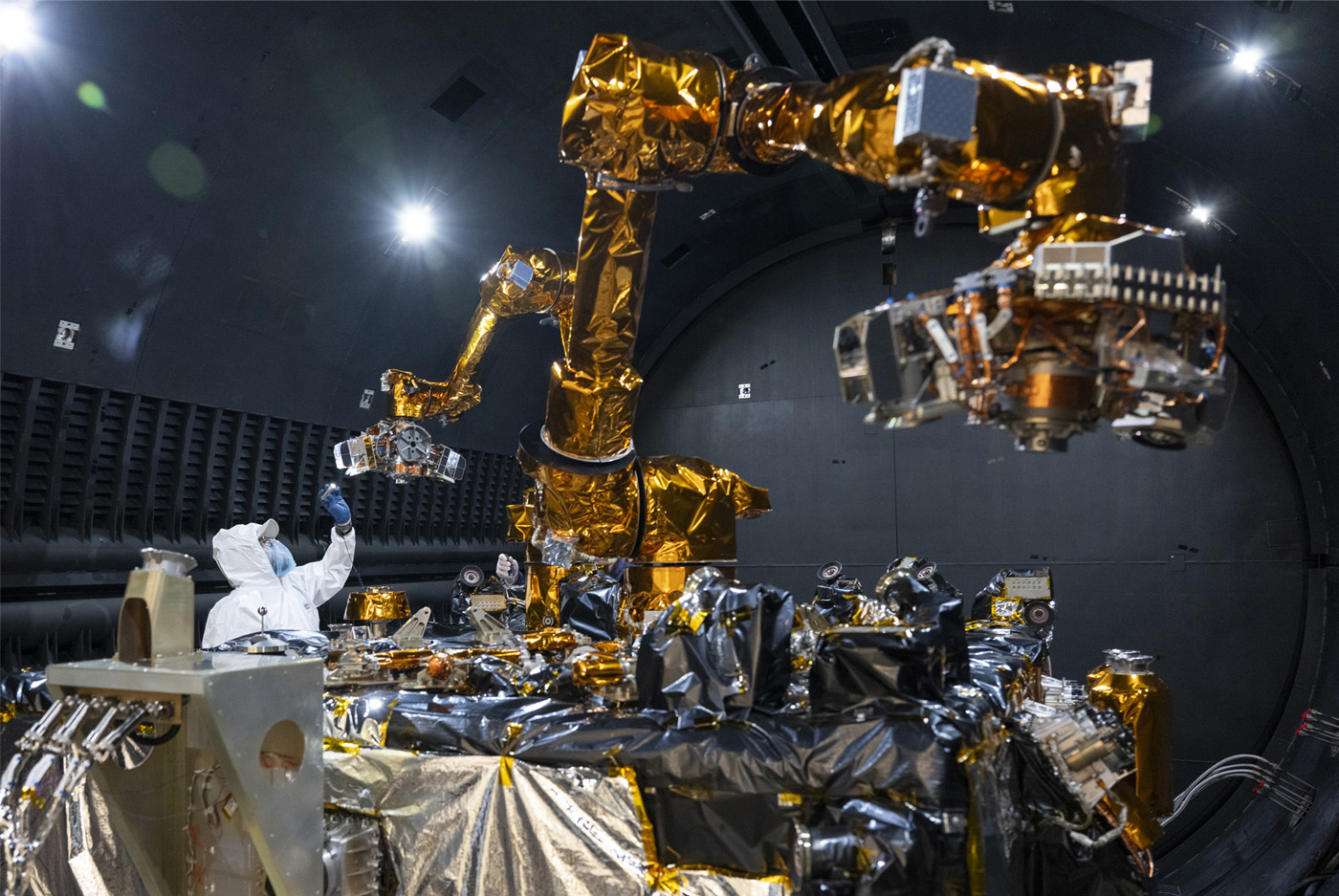
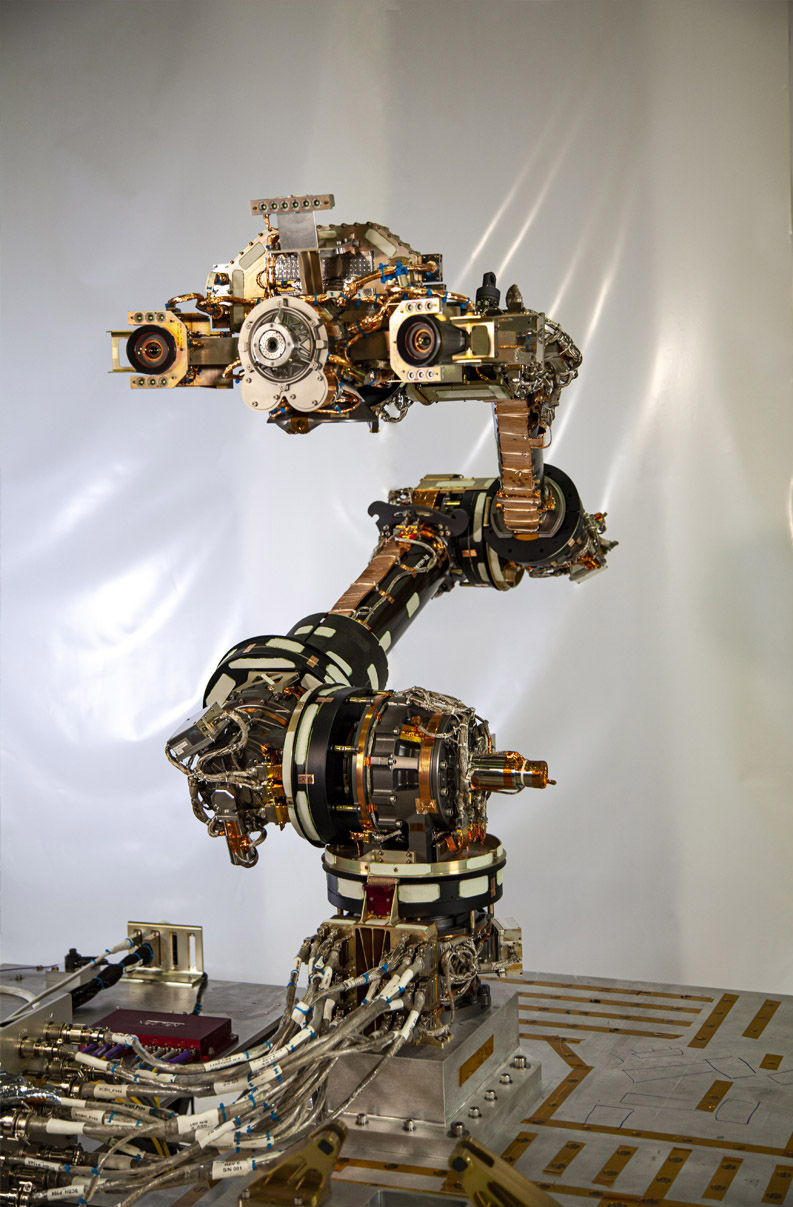
A DARPA-developed robotic payload including hardware, software, and interchangeable tools is integrated with a privately developed spacecraft to create a commercially owned and operated robotic servicing vehicle capable of performing space servicing missions.
Office
Tactical Technology OfficeNews
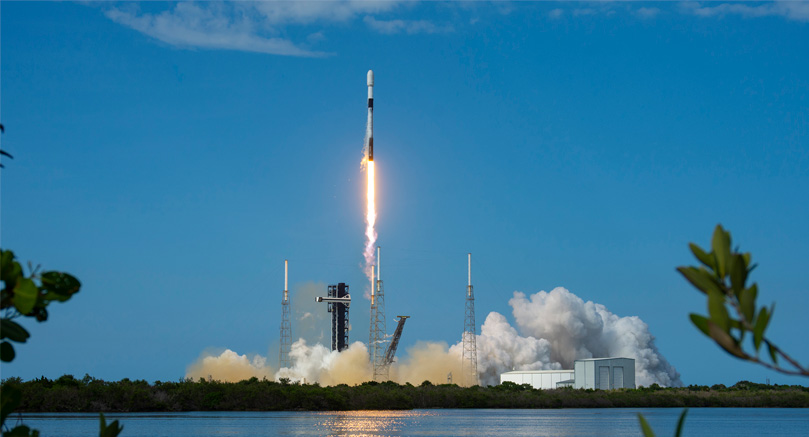 Robotic Servicing of Geosynchronous Satellites lifts off
Source: U.S. Navy | Sarah Peterson
Watch the research
By executing the RSGS program, DARPA seeks to:
- Demonstrate in or near GEO that a robotic servicer can perform safe, reliable, useful and efficient operations, with the flexibility to adapt to a variety of on-orbit missions and conditions
- Demonstrate satellite servicing mission operations on operational GEO satellites in collaboration with commercial and U.S. Government spacecraft operators
- Support the development of a servicing spacecraft with sufficient propellant and payload capacity to enable dozens of operations over several years
Cooperative inspection and servicing for GEO satellites