Aug. 11, 2026
The DARPA Lift Challenge has set a new benchmark in vertical lift aviation.
Taking place at the National Museum of the U.S. Air Force, the national competition concluded on Aug. 9 after teams demonstrated novel drone designs with the potential to transform vertical heavy-lift aircraft into a more accessible option for both the U.S. military and commercial industry.
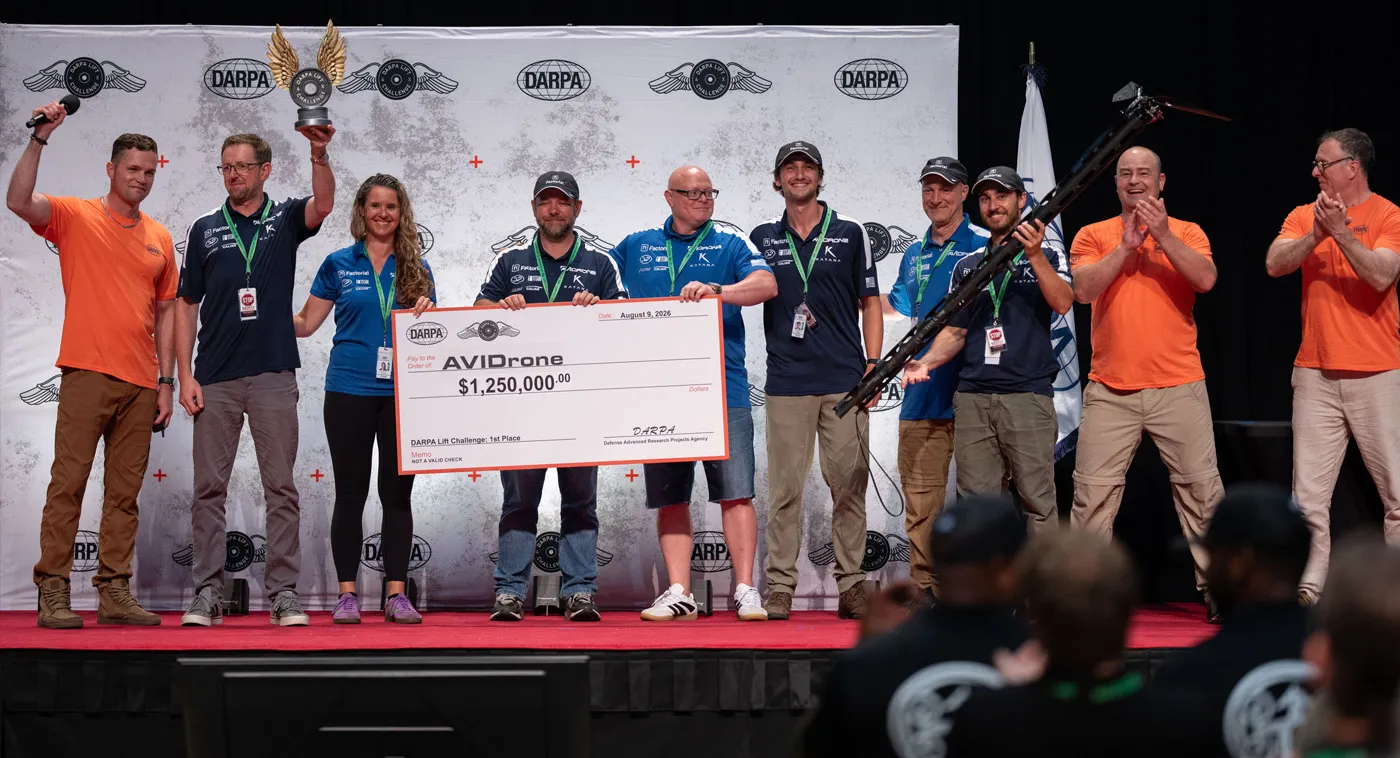
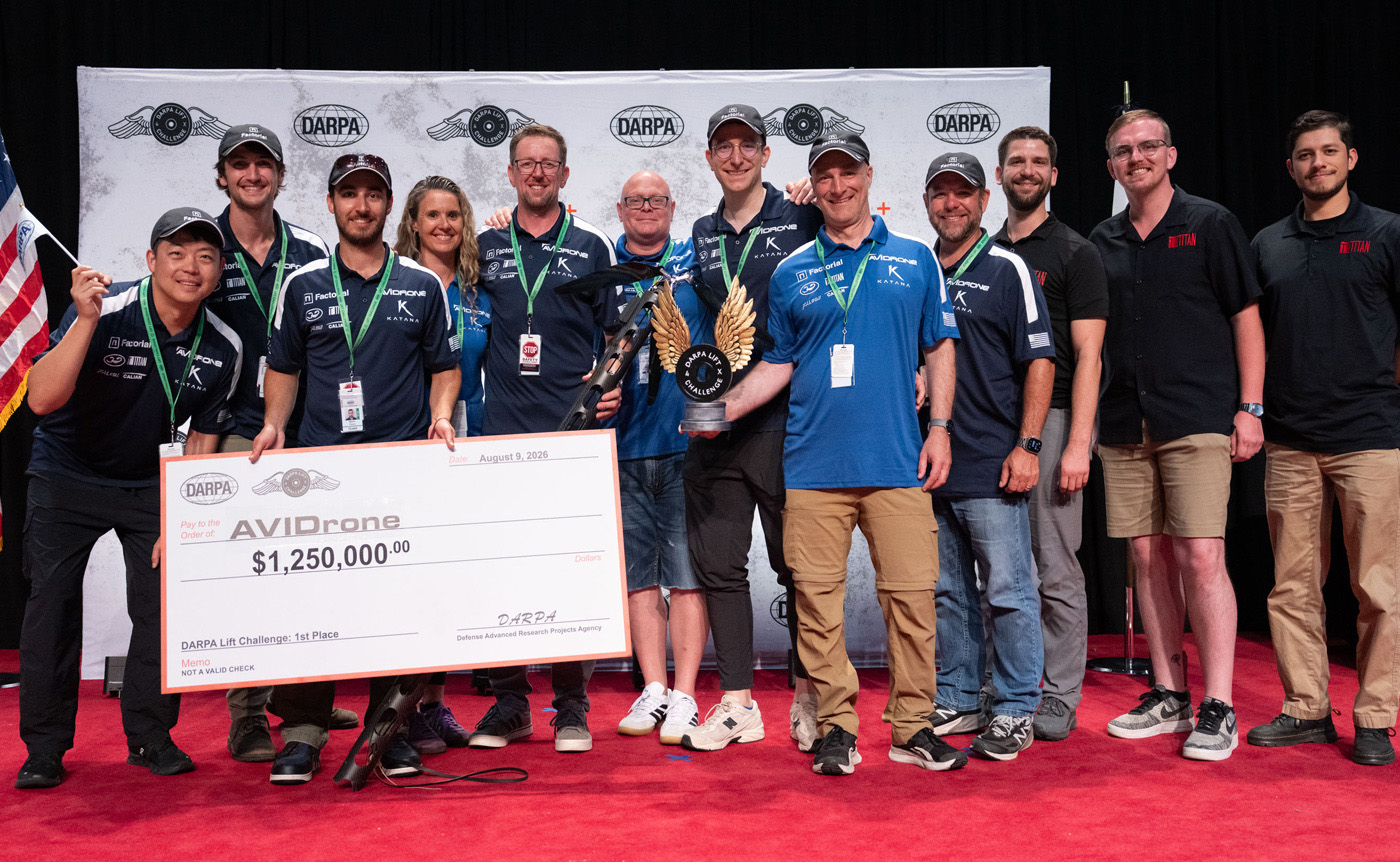
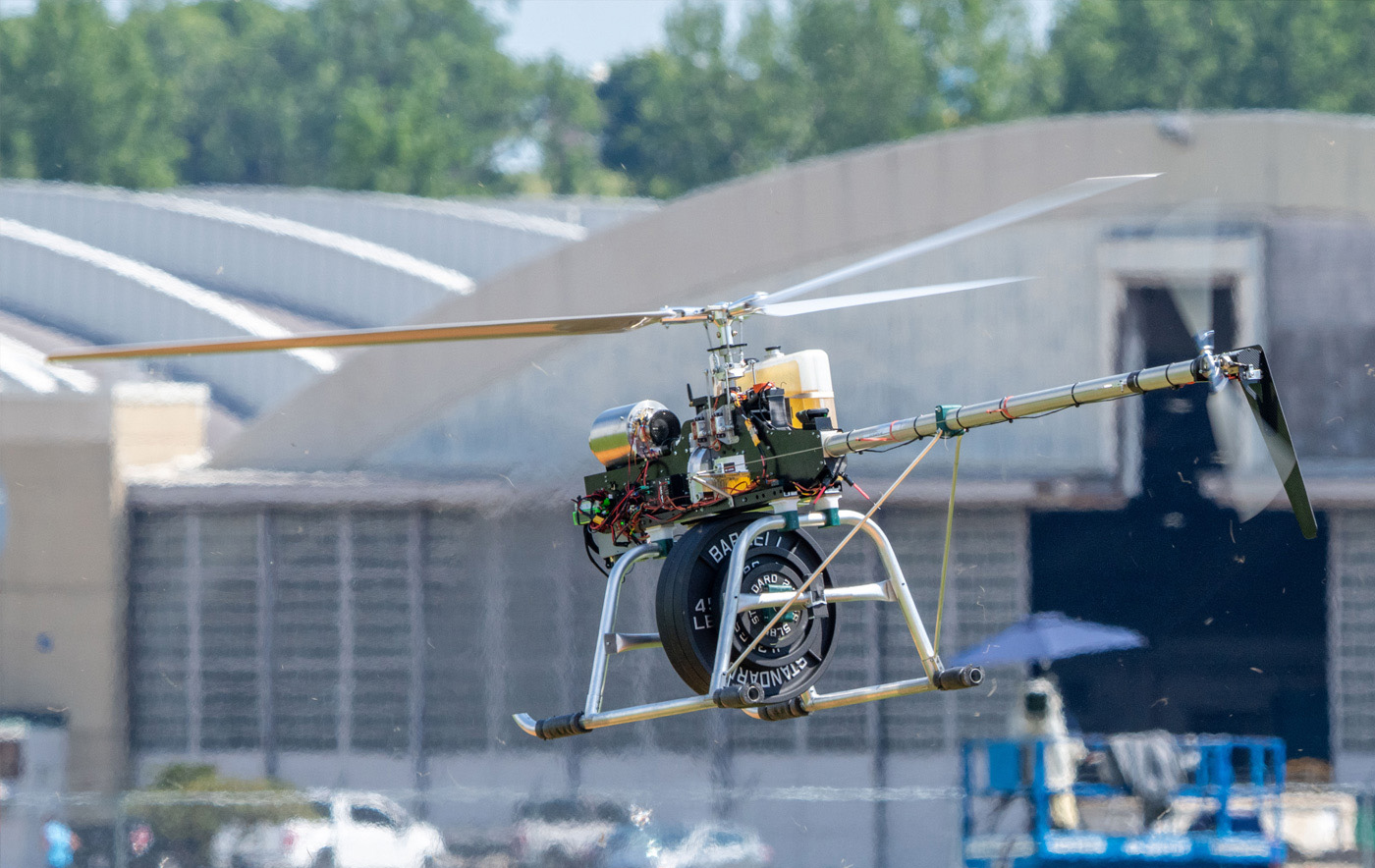
The top-performing aircraft, designed by AVIDrone, Inc., pushed the limits of electric helicopter design and demonstrated an unprecedented payload-to-weight ratio of 3.84:1.
While this did not achieve the Challenge goal of a 4:1 ratio, it still represents a success by DARPA’s definition.
“We chose the target because we believed it might be possible and what we proved this week,” said Phillip “Donna” Smith, Lift Challenge program manager. “Even though we didn't hit it in an official score, we saw the path at this competition.”
Continued DARPA investment
According to DARPA Director Stephen Winchell, the technology demonstrated at the Lift Challenge is just the tip of the iceberg. In the short term, he described the Lift Challenge drones' lifting ability as better than what’s in the market today. And for the longer term, he estimated that their innovations will proliferate throughout the entire community.
“We're just seeing the very beginning of the transformation that this community is going to bring to the aerospace industry,” Winchell said at the Aug. 9 awards ceremony. “Every single team here, you are DARPA.”
DARPA will support further maturation of promising drone concepts through multiple Small Business Innovation Research (SBIR) topics and connecting teams with investors through its Commercial Strategy Office.
These opportunities will help advance the technologies demonstrated during the Challenge and explore pathways for transition to national security and commercial applications.
| “ |
Every single team here, you are DARPA. – Stephen Winchell, DARPA director |
| “ |
This competition was the catalyst, but the innovation it sparked is now yours to unleash. – Phillip “Donna” Smith, Lift Challenge program manager |
Office
Tactical Technology Office
Full competition results: Winners were selected based on payload and performance, as well as technical merit, innovation, and potential impact.
Objective category
According to Challenge rules, teams that met or exceeded the challenge goal of a 4:1 ratio would earn the full prize purse for their award level, while those that came in under the target would earn half the prize purse for each place.
| Payload-to-Weight Performance Award | |||
| Position | Team | Payload-to-weight ratio | Prize |
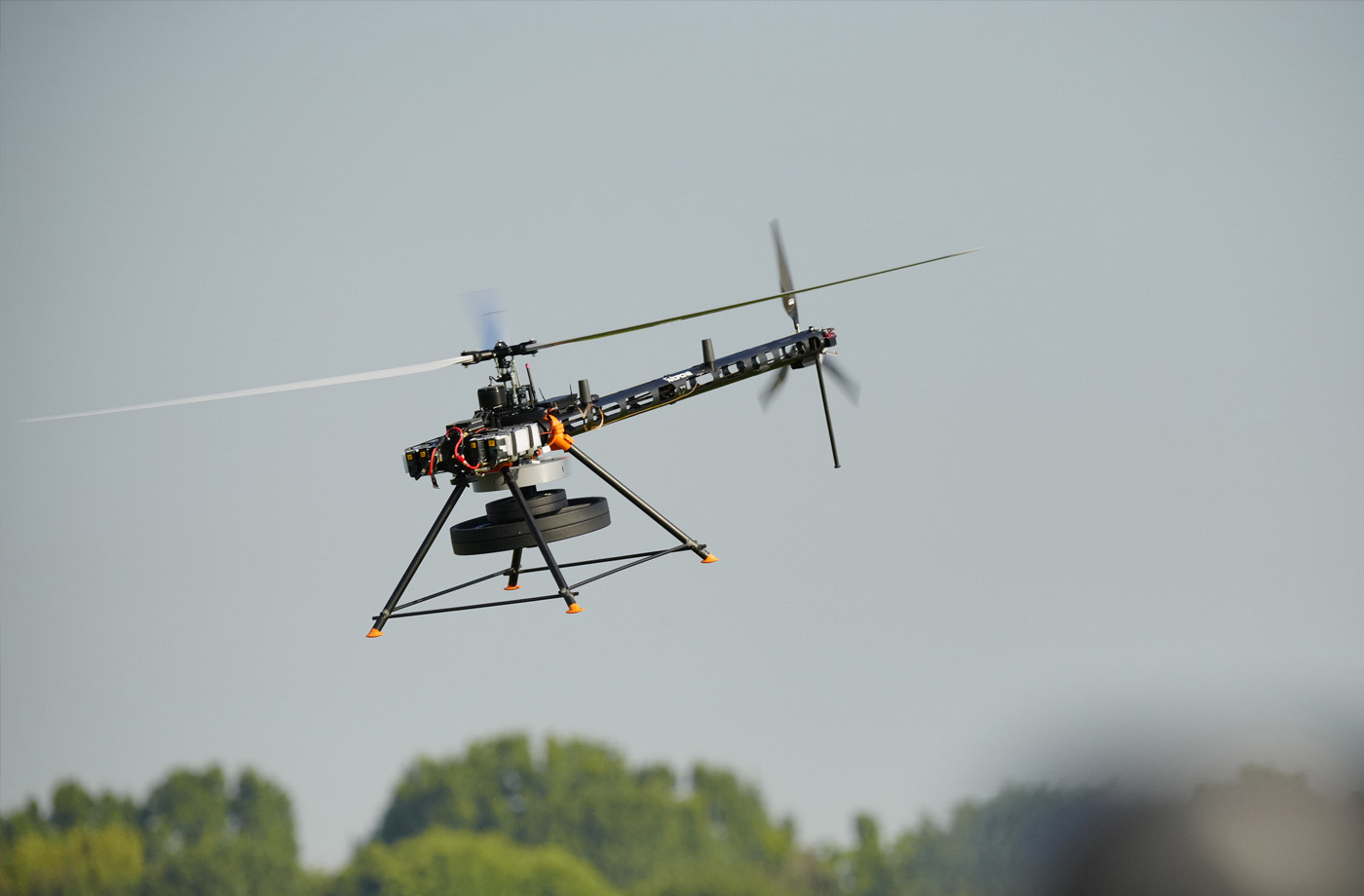
| 1st | AVIDrone, Inc. Columbia, Md. | 3.84:1 | $1,250,000 |
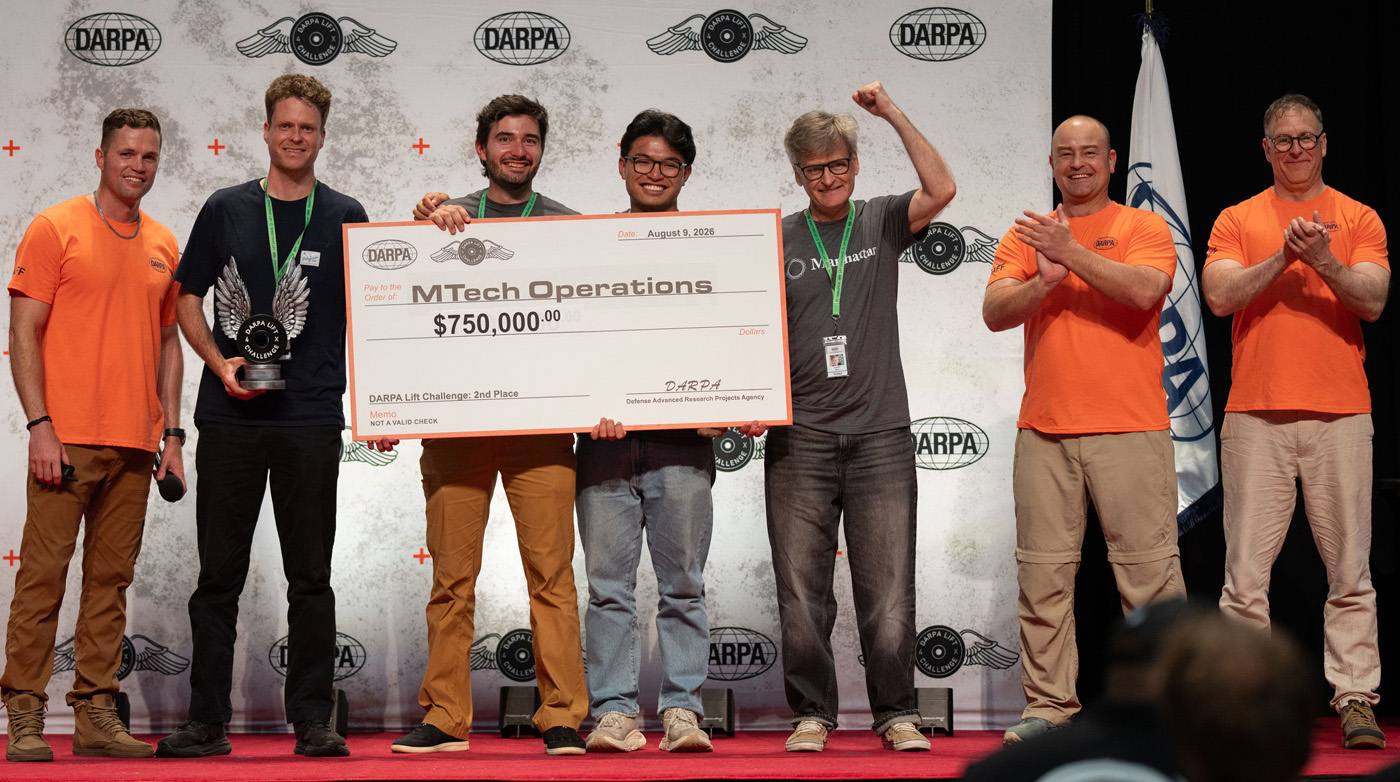
| 2nd | MTech Operations, LLC Sudbury, Mass. | 3.64:1 | $750,000 |
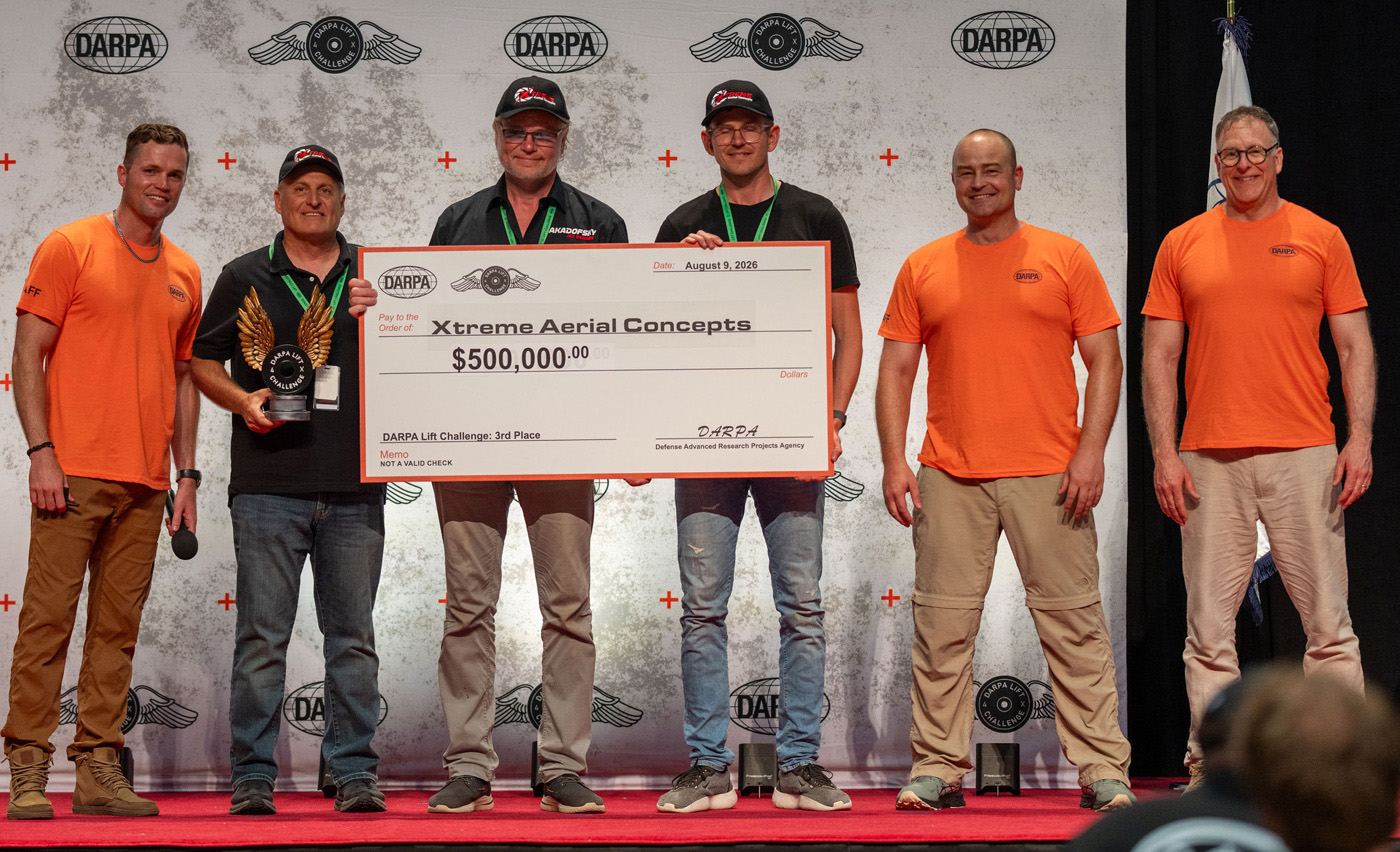
| 3rd | Xtreme Aerial Concepts San Jose, Calif. | 3.45:1 | $500,000 |
Subjective category
Subjective category honorees were selected by a panel of DARPA program managers with deep aviation expertise.
| Most Revolutionary Aerodynamic Design | |||
| Team | Prize | ||
| Winner | University of Maryland Autonomous Micro Air Vehicle Team College Park, Md. | $500,000 | |
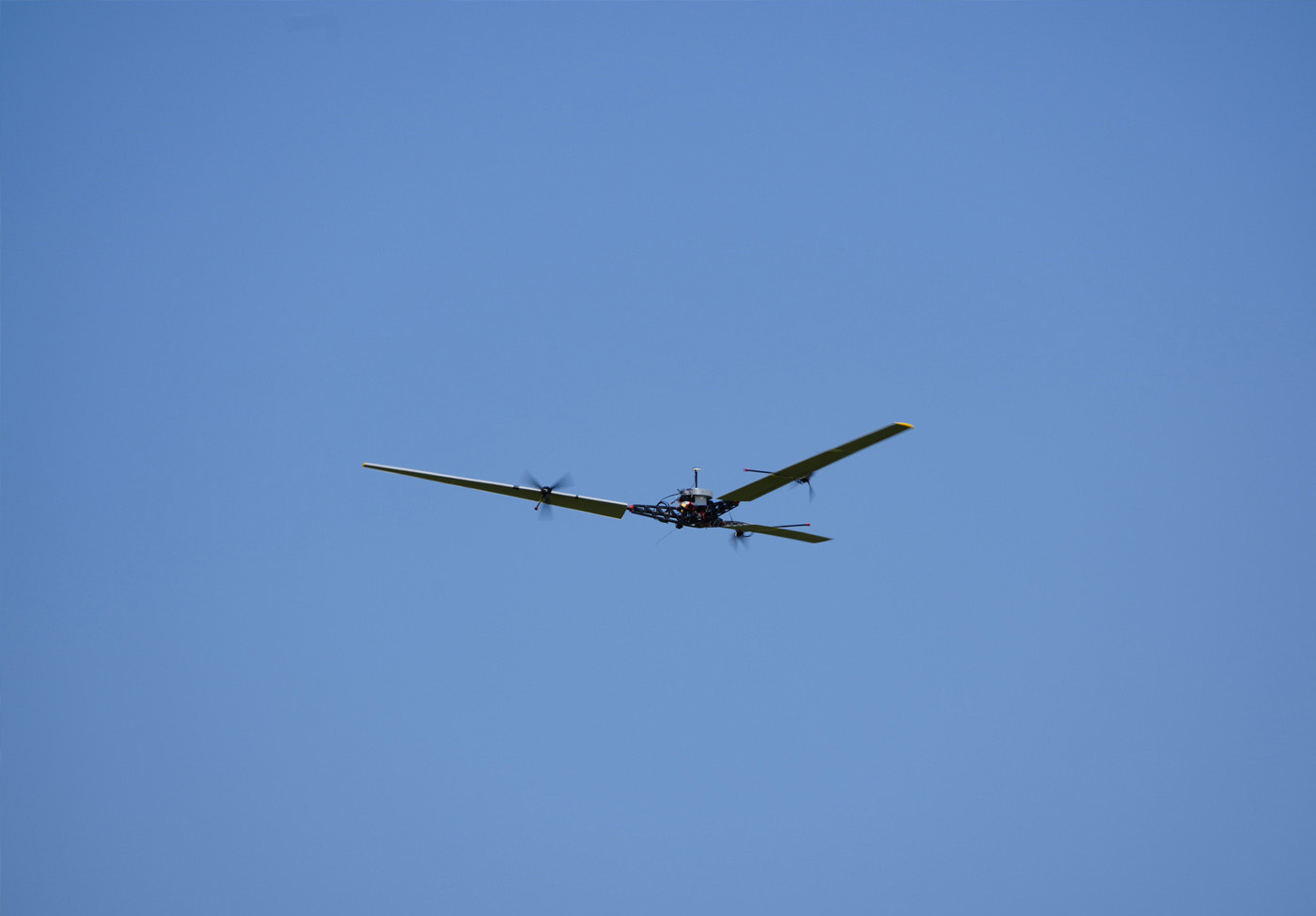
| This team's design blended a tri-rotor into the propulsive design of a propeller-driven rotor by using servos to change blade and motor angles. Their craft takes off and lands like a multi-rotor craft and then transitions to a propeller-driven rotor once airborne. | |||
| Most Revolutionary Powertrain Design | |||
| Team | Prize | ||
| Winner | Portal Aircraft Company Mansfield, Texas | $500,000 | |
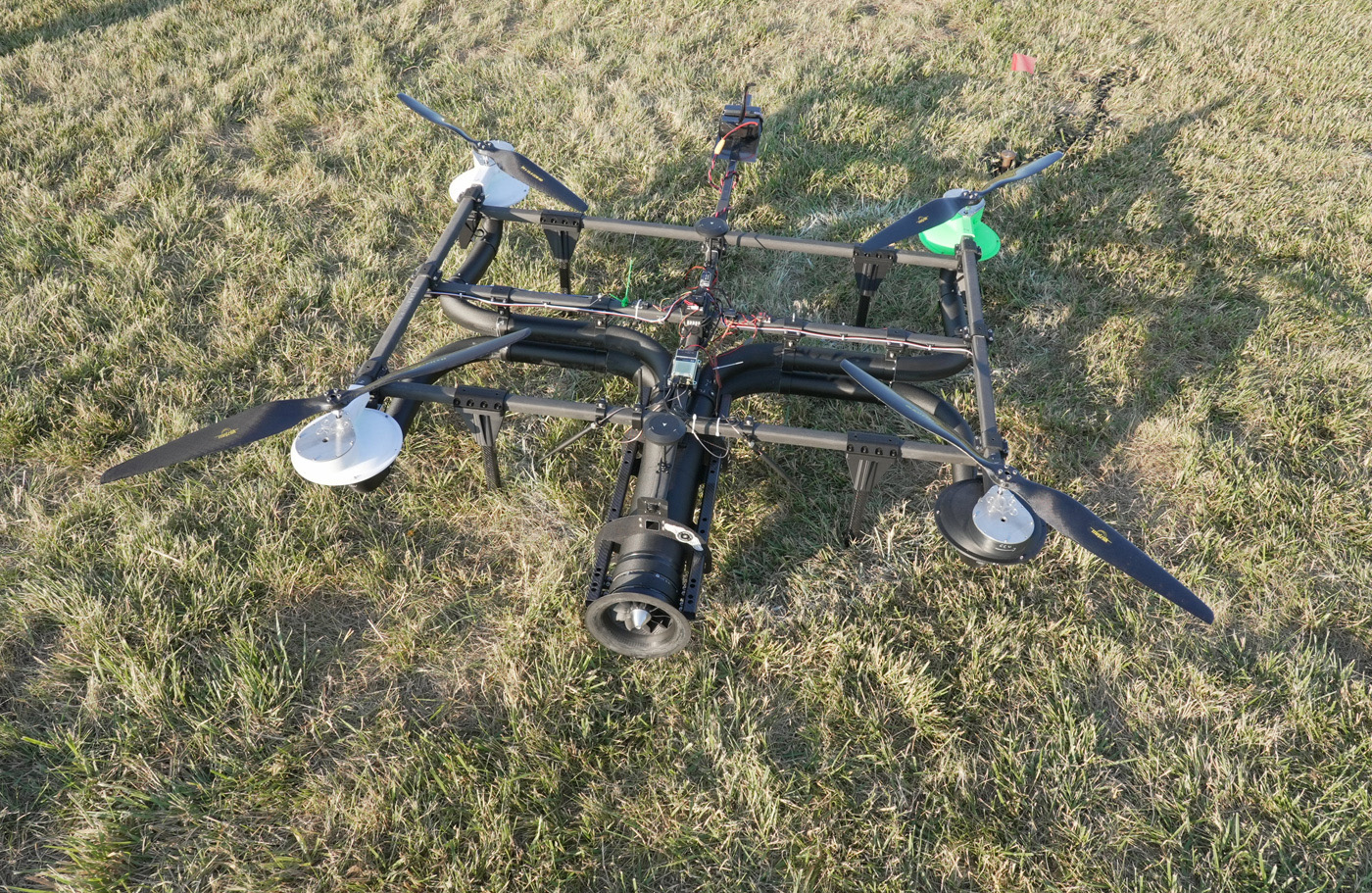
| This team created a novel, scalable concept that uses hot or cold turbine exhaust to drive the rotors, replacing driveshafts and mechanical linkages. Their approach could provide higher reliability due to fewer mechanical components. | |||
| Most Promising Technology | |||
| Team | Prize | ||
| Winner | DefendTex Moab, Utah | $500,000 | |
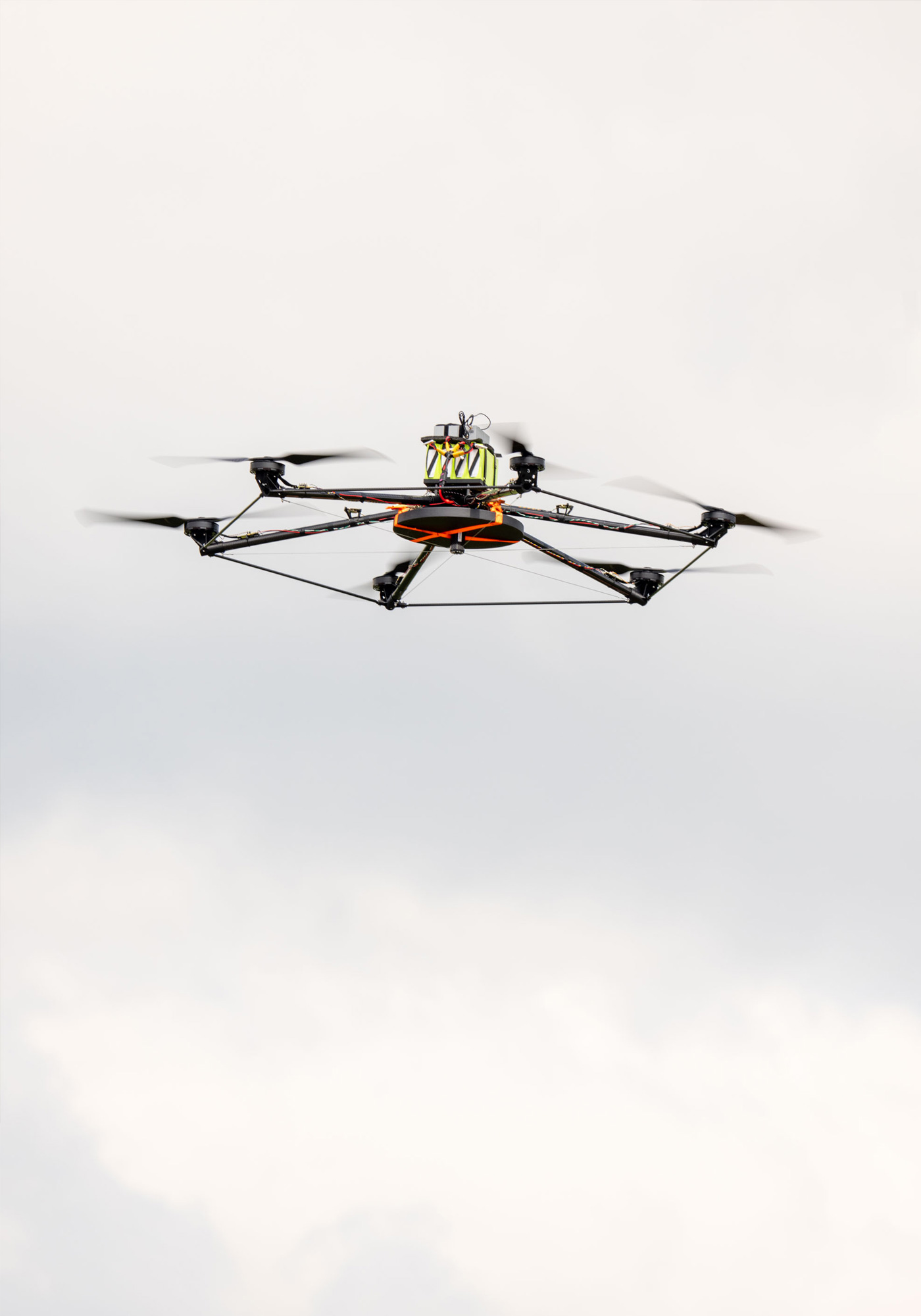
| While this team’s aircraft did not complete a scored run, it achieved the highest ratio in the competition at 9.63 to 1. The aircraft uses string-based support to individual motors to reduce hub structure and overall vehicle weight. The design is simple, easy to deploy, and minimizes disk loading on each propeller. | |||
Meet the winners
Reinvigorating the spirit of aviation
The competition attracted extraordinary interest from small businesses, entrepreneurs, universities, and even high schools. DARPA received 489 applications, with 225 teams completing key technical and regulatory requirements and 132 teams invited to compete.
Equally important, teams created a tight-knit community – sharing ideas, materials, and even pilots throughout the week – capable of accelerating development and refinement of many concepts demonstrated during the Challenge.
The final four days of the Challenge were open to the public, offering thousands of aviation enthusiasts, industry representatives, and families a rare opportunity to witness the next frontier of unmanned flight. Winning teams are coordinating with the museum to display their drones in an exhibit highlighting this Lift Challenge.
“The true value of this Challenge isn’t measured in dollars; it's measured in the ideas that became prototypes, the prototypes that became aircraft, and the boundaries that you pushed every time you took to the flightline,” said Smith to teams at the awards ceremony. “This competition was the catalyst, but the innovation it sparked is now yours to unleash.”
Challenge by the numbers
| Total applicants 489 | Teams cleared technical benchmarks 225 | Teams invited 132 | Teams checked in 76 |
Flight windows 24 | Teams cleared safety checks 62 | Official competition runs 70 | Scored runs completed by 5 teams 9 |
Watch it On-demand
To provide broad access to the competition, DARPA livestreamed flight operations throughout the event. Full daily broadcasts, recaps, team interviews, crash reels, and the awards ceremony can be found on our YouTube playlist.
About the Lift Challenge
Current multirotor drones, also known as unmanned aircraft systems (UAS), are simple, affordable, and easy to operate. But their payload-to-weight ratio is low, typically 1:1 or less.
The DARPA Lift Challenge aims to shatter the heavy-lift bottleneck by seeking novel drone designs capable of carrying payloads more than four times their weight. This could revolutionize how we use drones across all sectors.
For more about the Lift Challenge, visit DARPALiftChallenge.com.
###
Media with inquiries about the DARPA Lift Challenge should contact DARPA Public Affairs at outreach@darpa.mil.