What is a Shelf-Stable Blood Analog System?
In both military and civilian settings, severe blood loss and the resulting lack of oxygen to tissues (ischemia) are leading causes of preventable death following traumatic injury. While traditional blood products save lives, the strict requirement for continuous cold storage, limited shelf life, and reliance on donor supply create significant logistical hurdles for far-forward units and austere environments.
To address this challenge, the Resuscitation and Prevention of Ischemia-Induced Dysfunction (RAPIID) program aims to deliver a shelf-stable, blood analog system that can be manufactured at scale and rapidly advance toward regulatory authorization.
While the Fieldable Solutions for Hemorrhage with bio-Artificial Resuscitation Products (FSHARP) program provided critical proof of concept that synthetic blood components can be produced to achieve resuscitative functions, this is only one part of the overall product need. Maturing these technologies into a fully integrated, operational system requires both scientific innovation and a risk-tolerant, rapid-prototyping approach. DARPA is uniquely postured to take on this challenge, leveraging its mission to advance disruptive technologies for national security and identifying accelerated approval pathways to expedite availability to warfighters. By bridging the gap between proof of concept and real-world access, RAPIID is designed to decisively de-risk and accelerate the delivery of a blood analog system for both military and civilian benefit.
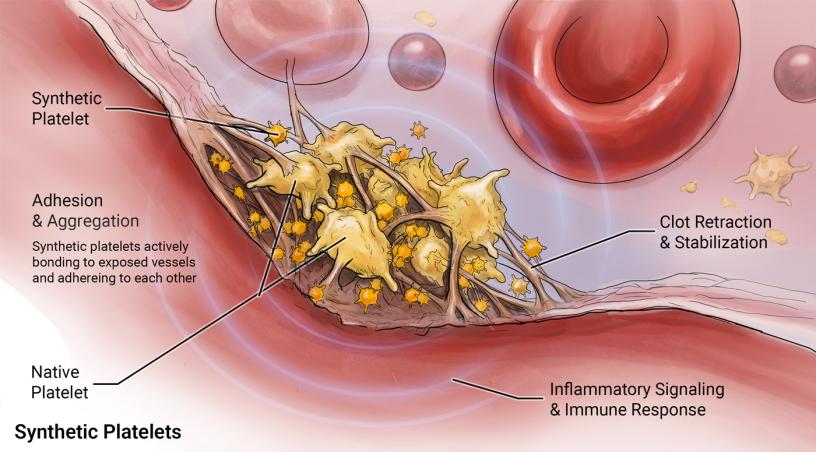
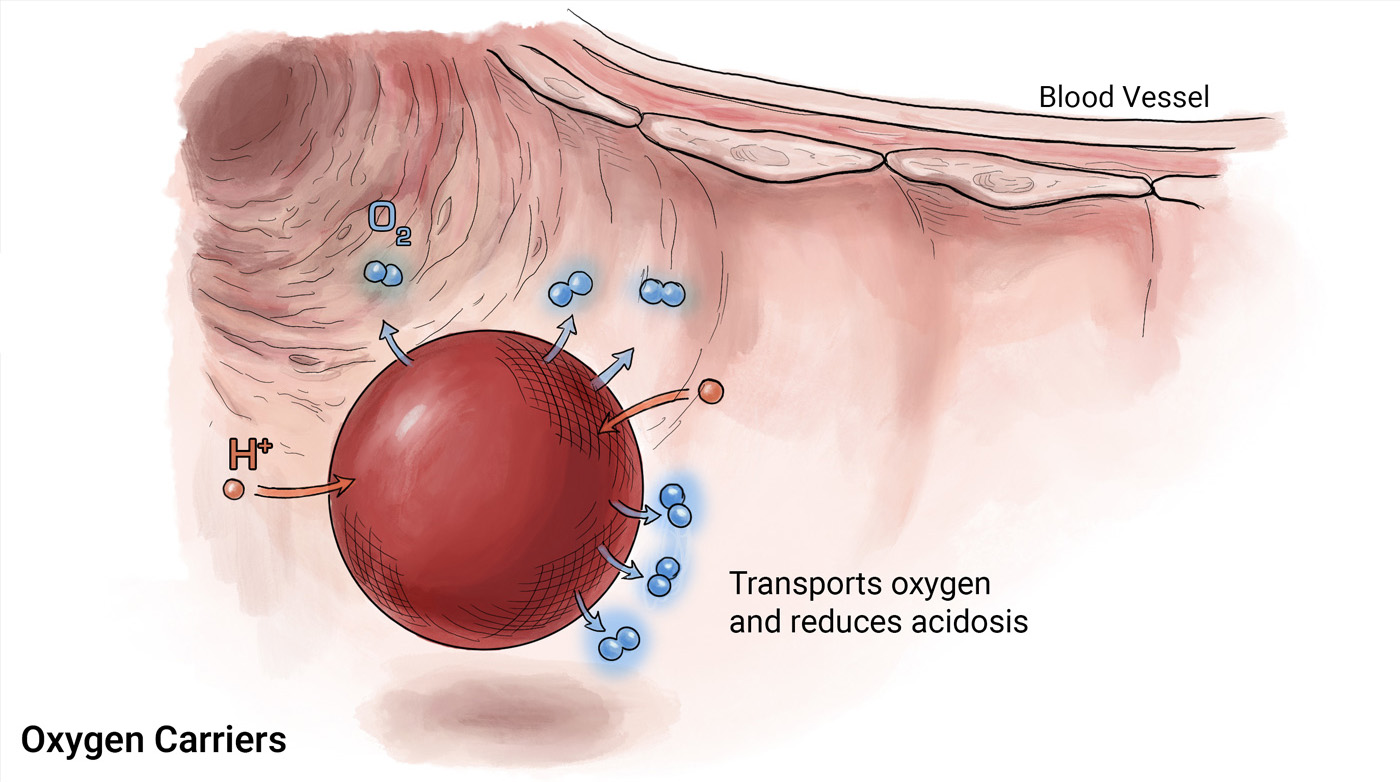
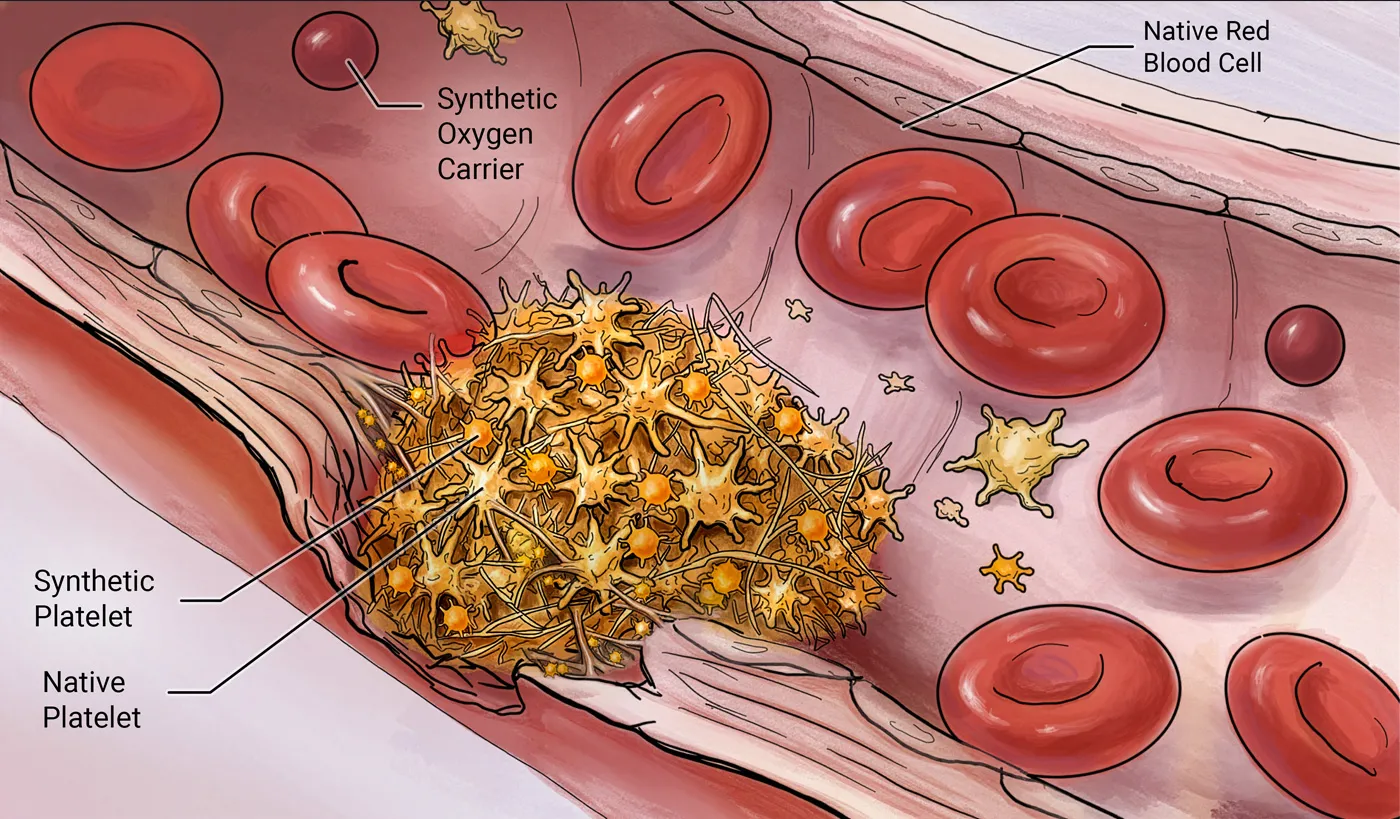
At the end of the three-year program, deliverables will include fully tested, high-readiness blood analog components — such as oxygen carriers, dried plasma, and synthetic platelets — paired with durable, field-ready delivery systems (like pre-filled syringes or bags) and rapid point-of-care diagnostics. By establishing robust manufacturing, commercial, clinical, and regulatory pathways for these advanced therapeutics, RAPIID capabilities will ultimately provide immediate, life-saving hemorrhage countermeasures for warfighters and civilians when traditional blood products are unavailable.