


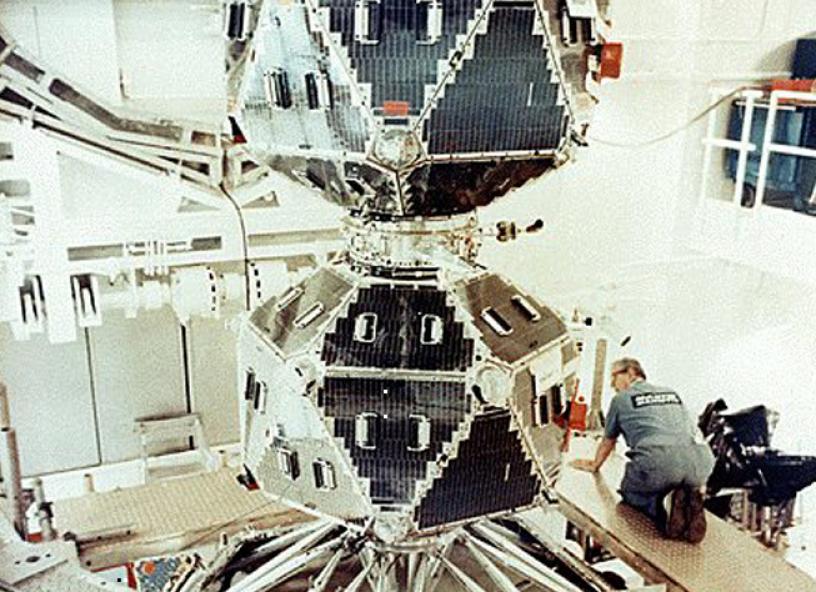
The ARPA Vela program developed sensors to detect nuclear explosions in space, the upper atmosphere, and underwater to support the 1963 Limited Nuclear Test Ban Treaty, under which the United States, Great Britain, and the Soviet Union banned atmospheric tests of nuclear weapons.
The first VELA sensors, deployed on a pair of satellites launched three days after the treaty was signed, were designed to monitor for optical and electromagnetic signatures of nuclear explosions in the atmosphere.
Later in the 1960s and 1970s, DARPA oversaw the development of the World Wide Standardized Seismograph Network (WWSSN) for detecting underground nuclear tests.
The Agency also helped expand detection technologies globally and internationally by running workshops, funding research projects in other countries, and championing community-building initiatives.
Redefining Possible
Since 1958, DARPA has been an engine of innovation serving national defense and the U.S. warfighter.