


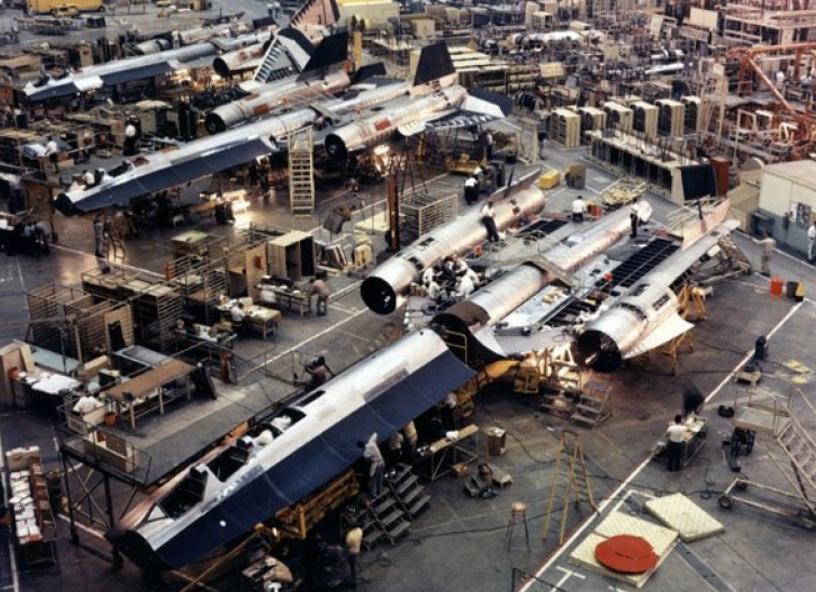
Between 1968 - 1972, ARPA supported an effort proposed by the University of Denver to use explosives for forming metal parts for aerospace applications. The underwater process relied on a mold for the part over which was placed a plate of the metal alloy to be used.
This preparation, when immersed in water, would feel the shock of an explosive charge to such a degree that the metal plate would be forced against the die. The process could reproducibly deliver serviceable parts out of steel, aluminum, titanium, and Inconel, a superalloy. The effort opened a new way to produce a variety made of aerospace components, including engine parts such as engine diffusers and afterburner rings for Pratt & Whitney engines that powered the storied SR71.
The variation of the process also was deployed for many years to weld superstructures to the decks of U.S. Navy warships.
Redefining Possible
Since 1958, DARPA has been an engine of innovation serving national defense and the U.S. warfighter.